
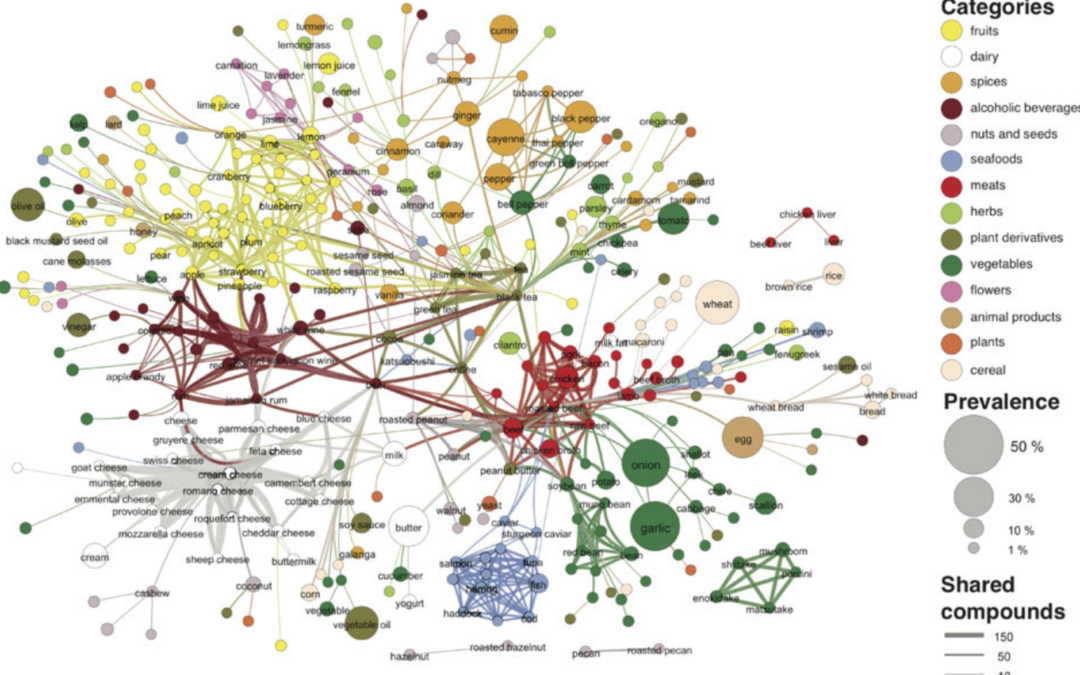
It’s that time of year again, when I start to judge the Great Taste Awards – a mammoth task but one I really enjoy as it encourages me re-assess my understanding of what makes food taste great.
We experience the world in a multisensory way, and one of the most fascinating and interconnected senses is taste. But did you realise that much of what we consider “taste” is influenced by our sense of smell? The flavours we savour, from a perfectly brewed coffee to a rich, hearty stew, are shaped not just by our taste buds but by the aromas our noses detect. Understanding this relationship can elevate your culinary experience and, even better, you can train your senses to taste more fully and deeply.
To understand how we taste, we first need to break down the roles of the tongue and the nose (the sciency bit!):
- Taste Buds: Our tongue has about 10,000 taste buds, and these are responsible for detecting five primary tastes: sweet, salty, sour, bitter, and umami. These taste receptors send signals to our brain, but they only tell part of the story.
- The Role of Smell in Flavour Perception: Taste alone gives us a limited range of sensations. Smell, on the other hand, can detect thousands of different aromas, adding depth and complexity to what we eat. When you eat, the aromas from your food travel up the back of your throat to the olfactory receptors in your nasal cavity, creating what’s known as retronasal olfaction. This is why when you have a cold or a stuffy nose, everything seems bland—you’re not getting those aromatic signals that make flavours come alive.
How We Taste with Our Nose: A Sensory Collaboration
When you bite into an apple, your tongue might pick up its sweetness, tartness, and a hint of bitterness from the peel, but your nose identifies the apple’s specific aroma—whether it’s a crisp Granny Smith or a sweet Discovery. The two senses collaborate seamlessly. This happens in two ways:
- Orthonasal Olfaction: This is the smell we detect when we sniff food before eating it. It’s the “first impression” of a meal.
- Retronasal Olfaction: After you take a bite, retronasal olfaction comes into play. This is where most of the magic happens, as aromas released in the mouth travel up to the nose and combine with taste signals from your taste buds to create the full experience of flavour.
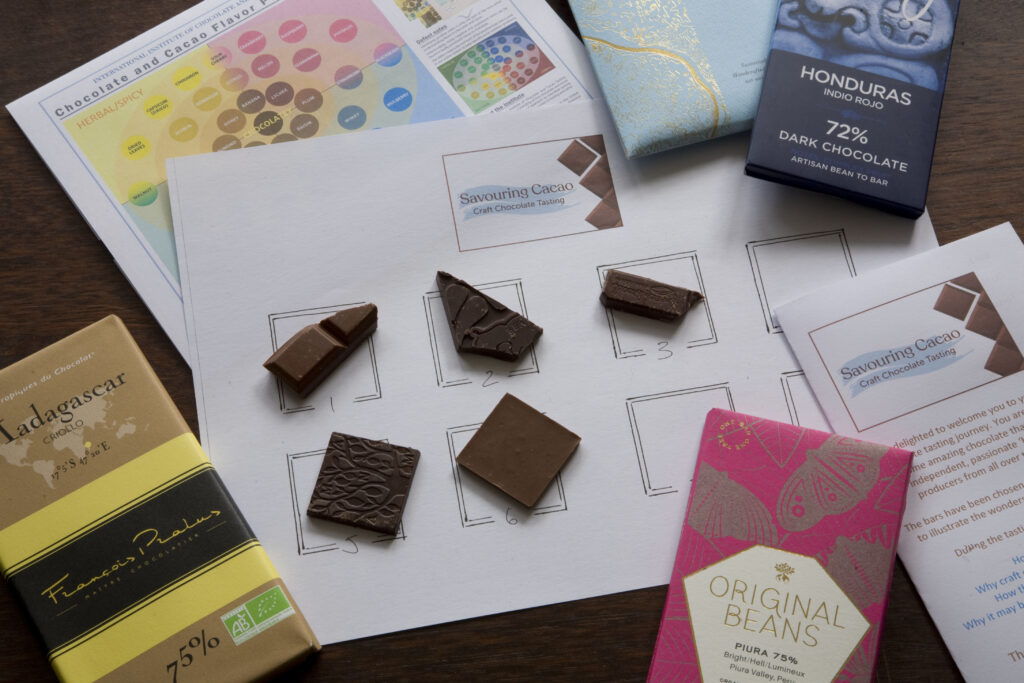
To demonstrate the importance of smell in taste, think of the common experiment where you try to eat a jellybean while holding your nose. With your sense of smell blocked, you might detect whether it’s sweet or sour, but you won’t be able to tell if it’s strawberry, lemon, or blackcurrant. The experience is flat and incomplete (when we taste chocolate we use the same experiment).
Why Train Your Sense of Taste?
Training your sense of taste means enhancing your ability to detect nuances and subtleties in food and drink. Whether you’re a wine enthusiast, a home cook looking to up your game, or simply someone who wants to experience food more mindfully, developing your palate will help you savour more, detect flavours with precision, and appreciate complexity in food and drink.
How to Train Your Taste and Smell
Now that you know how intertwined taste and smell are, you can start training these senses to work more harmoniously. Here are some steps you can take to refine your ability to taste:
1. Mindful Eating: Slow Down and Focus Most of us rush through meals, barely chewing before moving on to the next bite. To train your palate, slow down and savour. Take smaller bites, chew thoroughly, and think about the flavours you’re experiencing. Pay attention to not just taste but texture and aroma.
- Ask Questions: Is the food sweet, salty, sour, or bitter? What aromas are hitting your nose? Is there something floral, earthy, or fruity? How does the taste change as you chew? Is there an aftertaste?
2. Smell Before You Taste Take a moment to inhale the aroma of your food before you taste it. This helps you prime your olfactory senses to receive flavour notes. Practice identifying ingredients in a dish just by smelling them.
- Pro tip: Smell different spices or herbs with your eyes closed and try to guess what they are. This will improve your recognition of aromatic compounds.
3. Use Taste Exercises To build a sharper palate, try taste exercises where you focus on different flavour components one at a time.
- Single Flavour Focus: Take a specific food—say, chocolate or coffee—and focus on identifying its individual flavours. For both chocolate and coffee, you should be able to notice the bitterness, acidity, sweetness, and the variety of aromas and flavours (fruity, nutty, earthy).
- Blind Tasting: Try tasting foods or drinks blindfolded to isolate flavours and aromas without visual input. You might be surprised at how much more you can detect.
4. Explore New Foods Our taste memory is limited by the foods we’ve encountered. The more diverse your food experiences, the broader your sensory knowledge becomes. Try foods from different cuisines, taste new ingredients, and challenge yourself with flavours you don’t normally enjoy. Try foods you previously thought you didn’t like – our ‘taste’ changes throughout our lives.
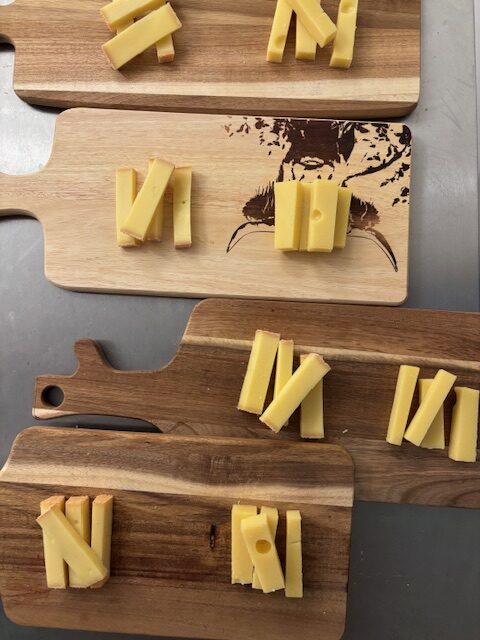
5. Compare Similar Foods Take two similar foods or drinks and taste them side by side to spot the differences. For instance, compare two types of apples or two different varieties of chocolate. Focus on the subtle contrasts in sweetness, acidity, and aroma.
- Wine and Cheese Pairings: Pairing wine with different cheeses is a classic way to explore how flavours interact. The fat in cheese can change how wine tastes, and vice versa. We can also do the same with pairing chocolate!
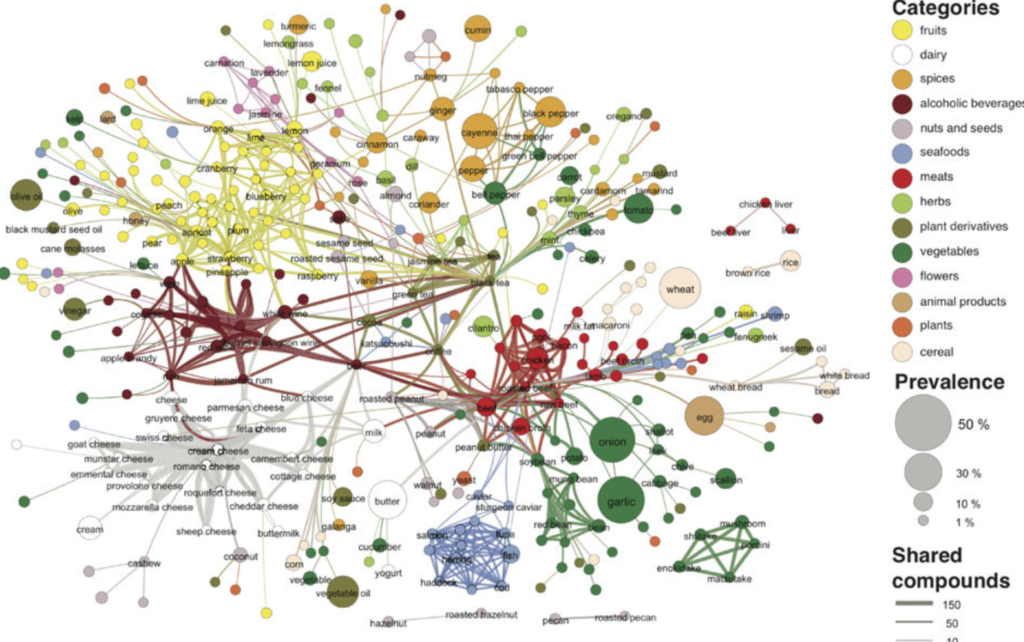
By understanding the relationship between taste and smell, you can unlock the hidden depths of flavours in everything you eat. The more you train your senses to work in harmony, the more you’ll enjoy and appreciate every meal. So, take your time, smell, taste, and savour the next bite—you might discover a whole new world of flavour waiting for you.